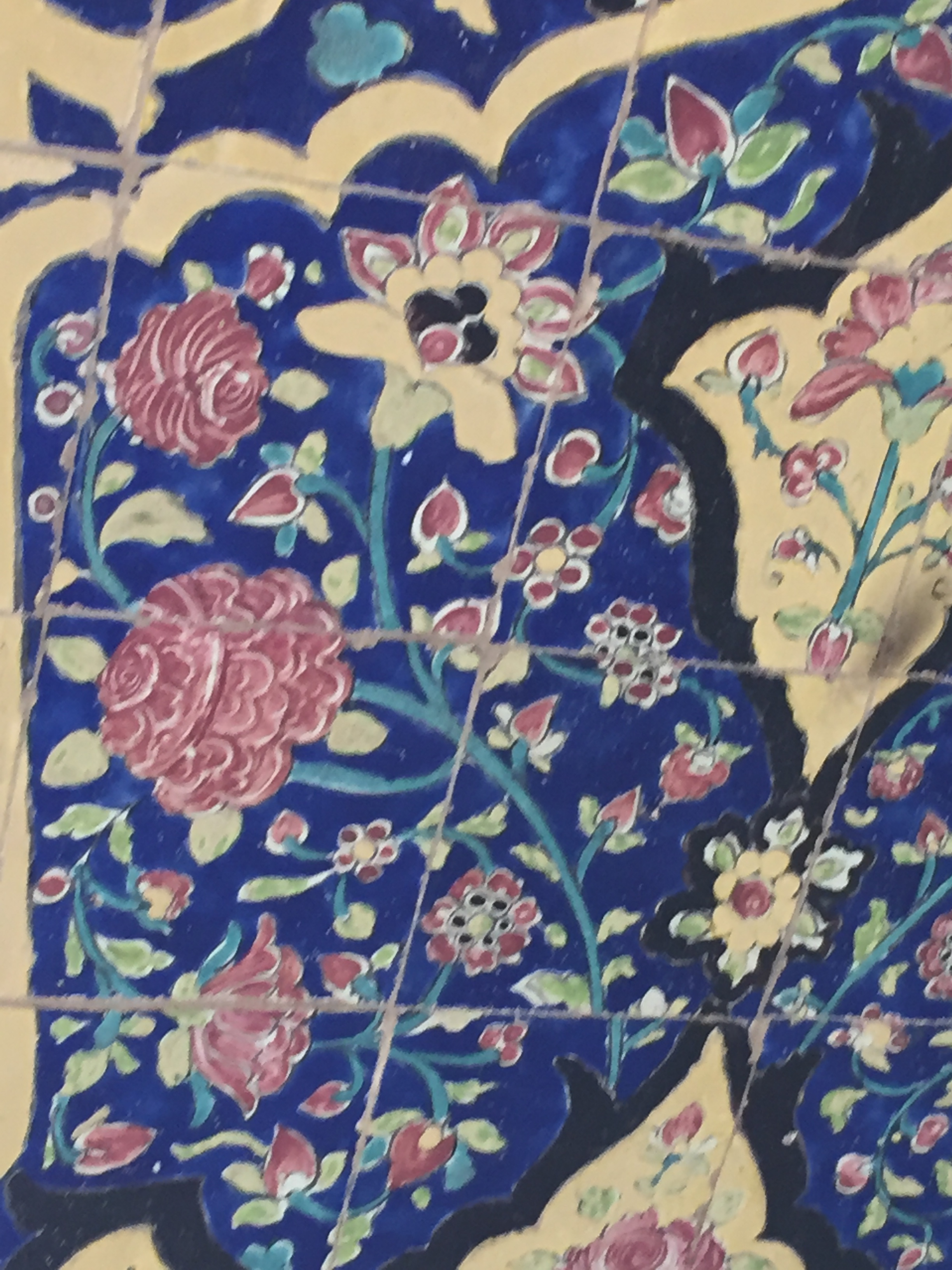
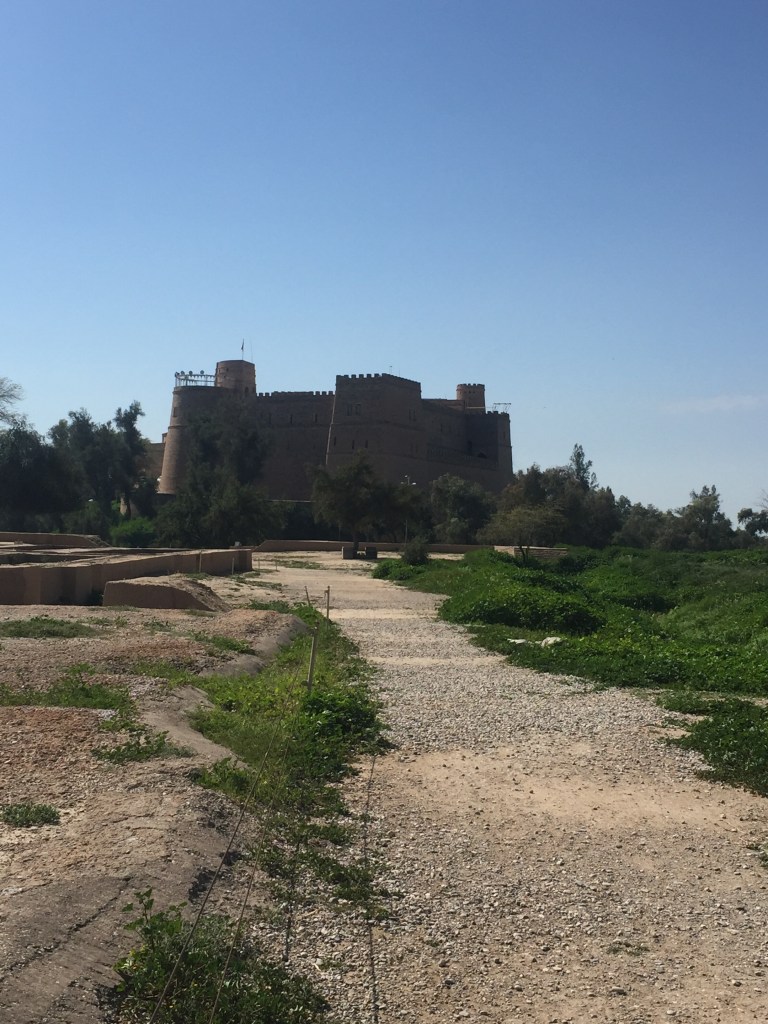
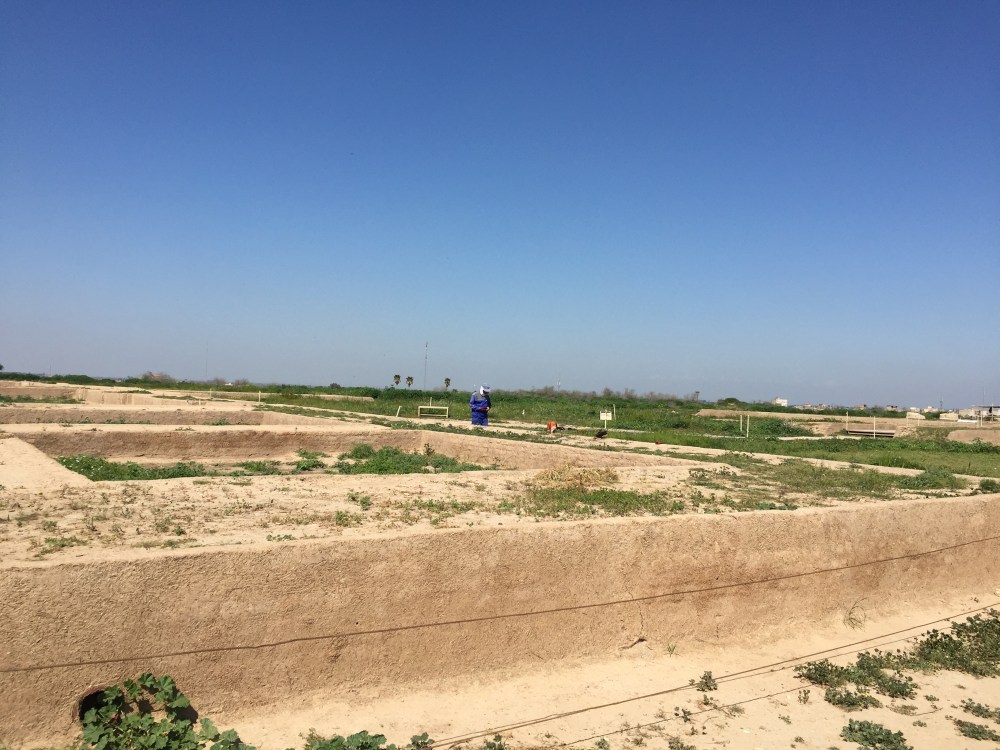
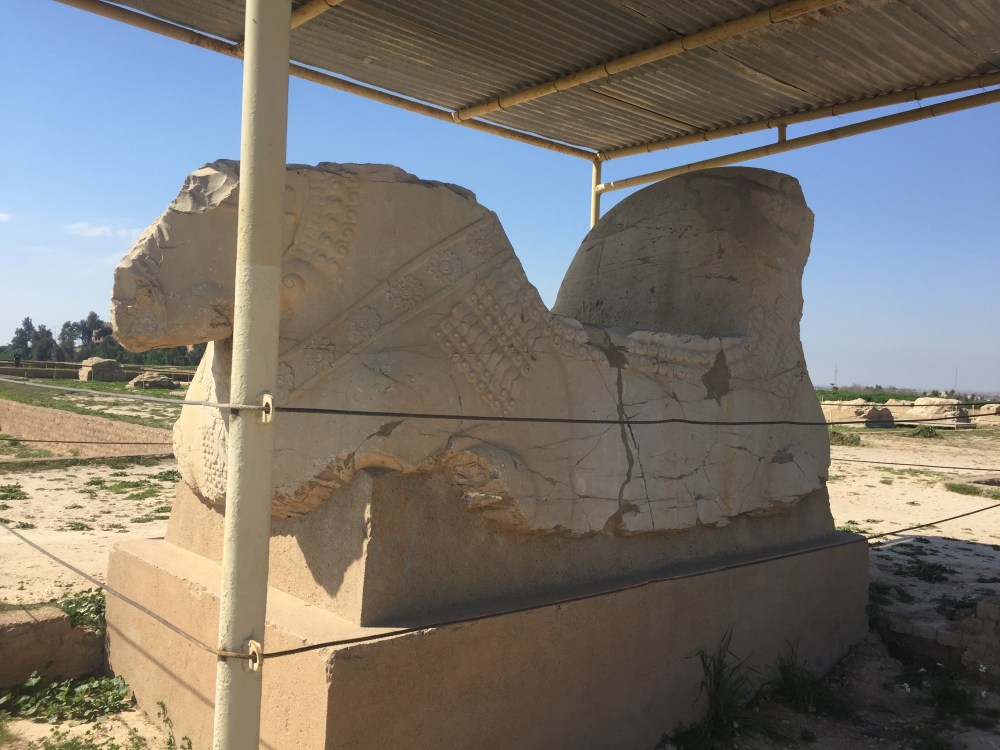
In beautiful Spring sunshine, we strolled around the Edamite site of Susa and wondered at this city and Apadana (open columned hall) which, dating from 3,500 BC, is older than both Newgrange and the Pyramids and which was the capital of Persia until it fell to Alexander the Great in 331BCE. Darius 1 set it up as the Achmaenid’s winter capital in 521BCE. Over 6000 years old, it saw Assyrian and Mongol raids and disappeared in the sands of time until the British began excavations in 1852.
Afterwards we sat for a while and listened to a full-throated little bird which may have been a bulbul(?).
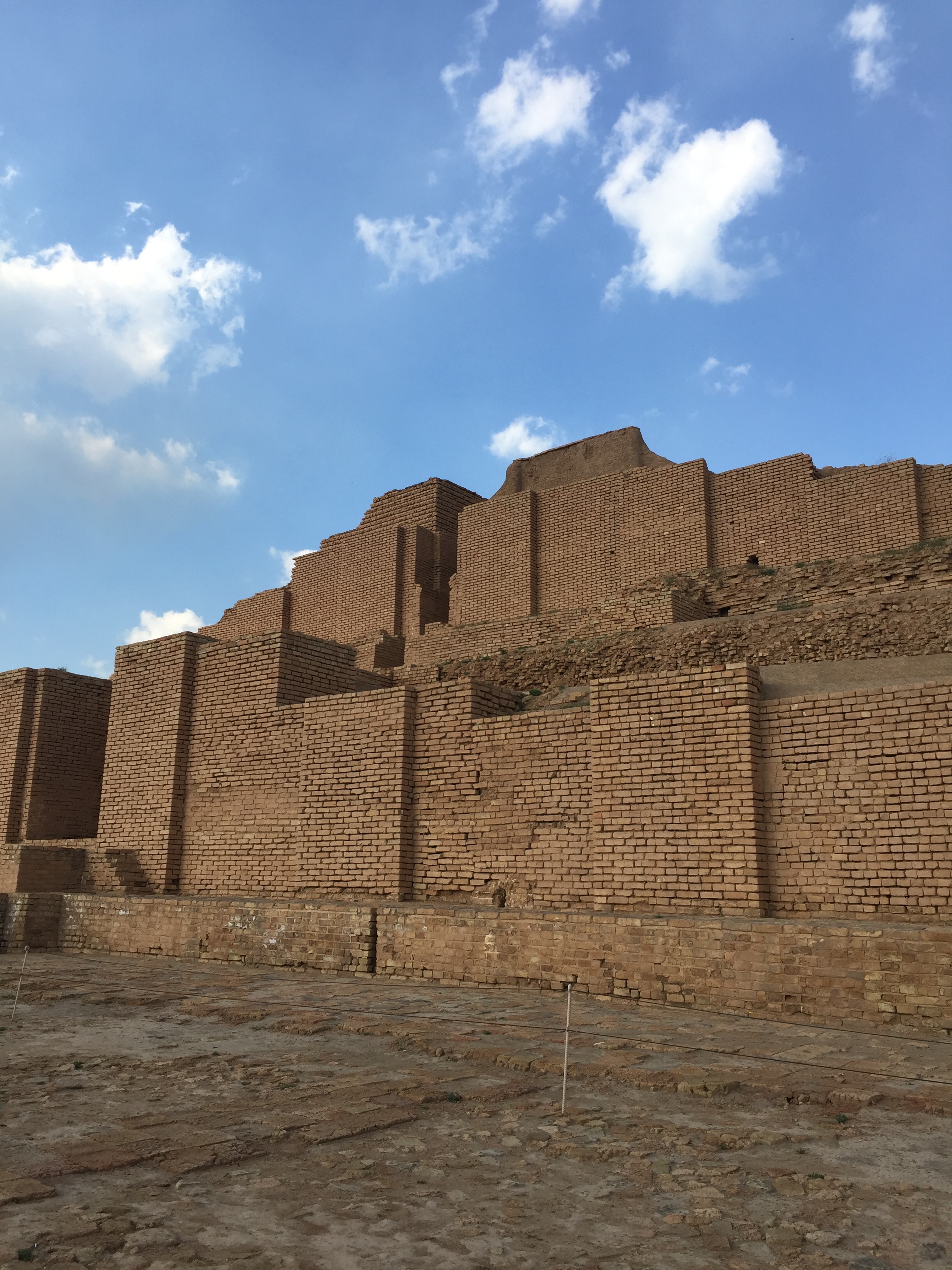
At the Choghzanbil Ziggurat, an Elamite temple from 1300 BCE (and one of many UNESCO World Heritage sites which we visited) we had a very pleasant walking tour with a chance to look at the earliest form of writing – cuneiform. The Ziggurat, our first, looks rather modern as the bricks with which it was built are in very good condition and uniform in manufacture.
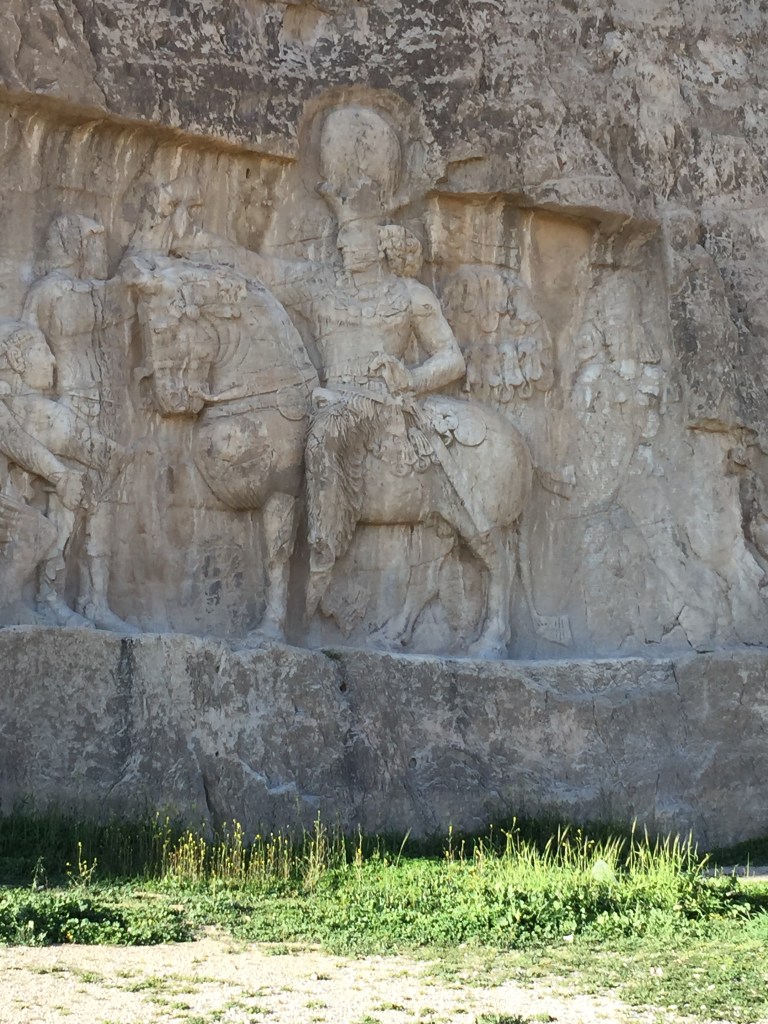
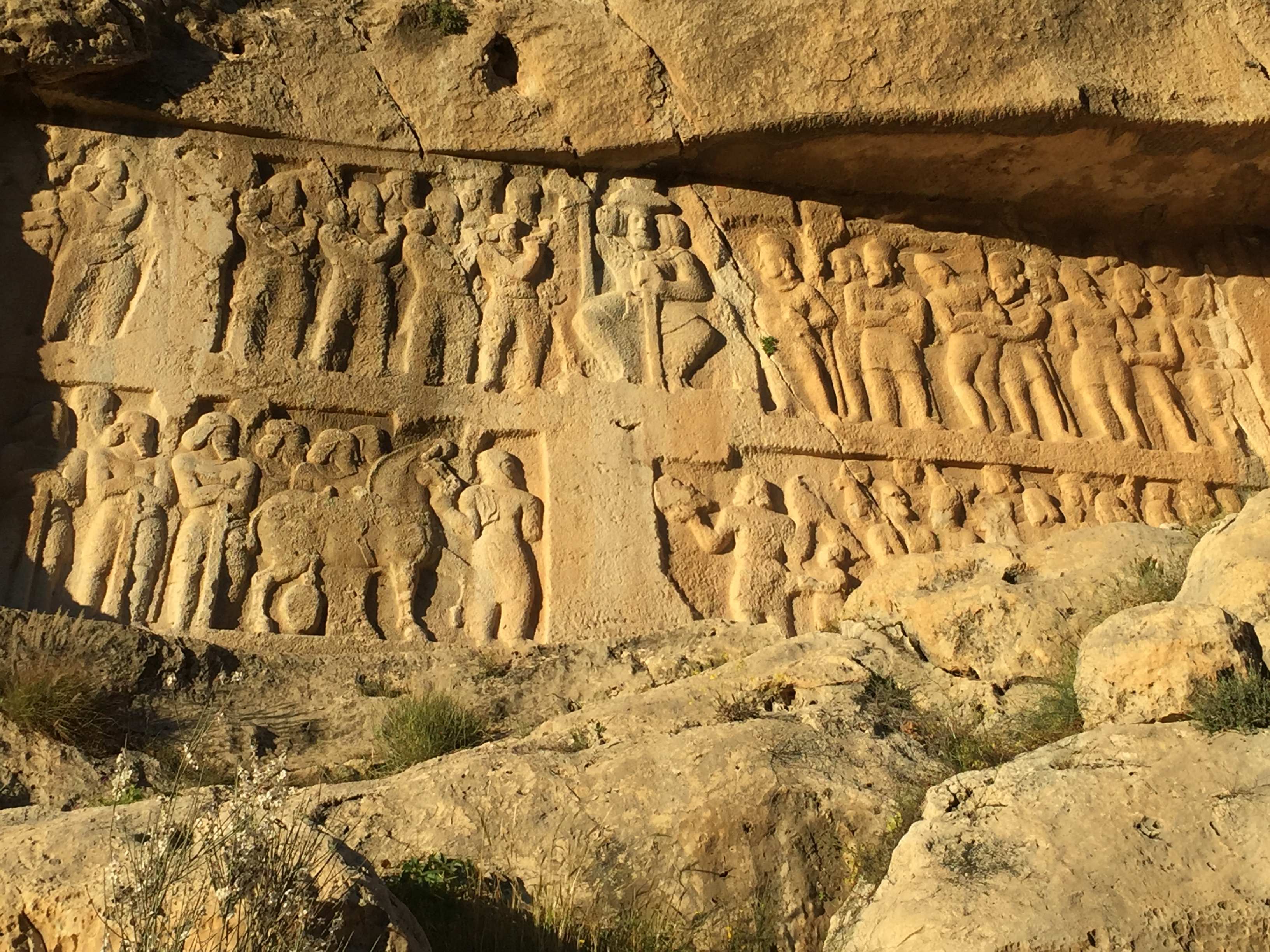
En route to Shiraz and Persepolis the following day we saw the spectacular bas-relief scuptures of Bishapur from the Sassanian era 224-632 CE which marked the defeat of the Roman Emperor, Valerian, by the Persians. These massive reliefs are carved into the limestone hills along the Chogan Gorge. Though damaged, they are fascinating early representations of the king and a warning to future invaders. They show details of costumes, the elaborate hairstyles of the early Persians, horses’ gear, amputated fingers, Roman clothing. It seems that even more spectacular carvings/ statues are found in the nearby mountains but as always in Iran there is so much more to see everywhere that we had to move on. Maybe some day…
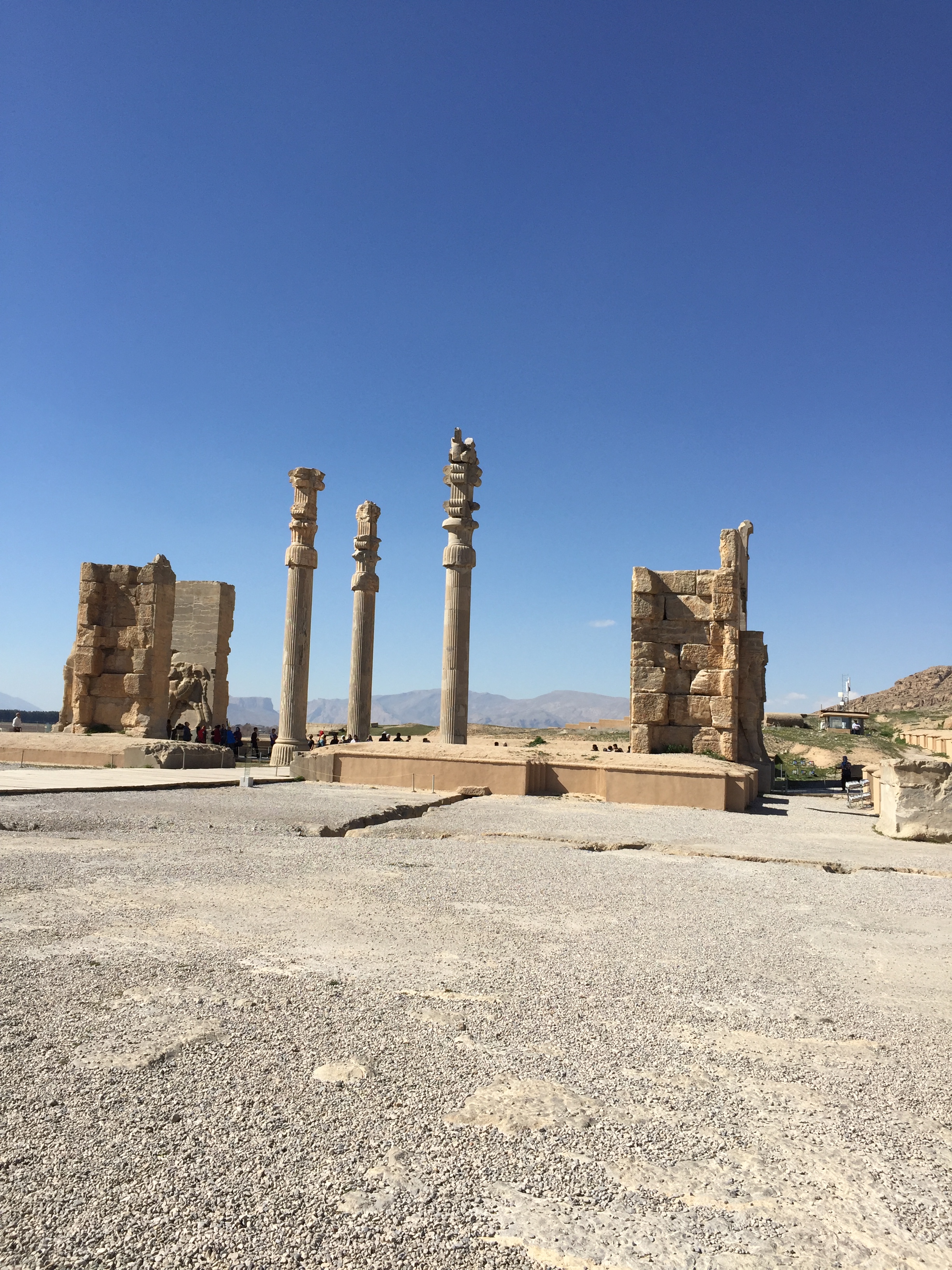
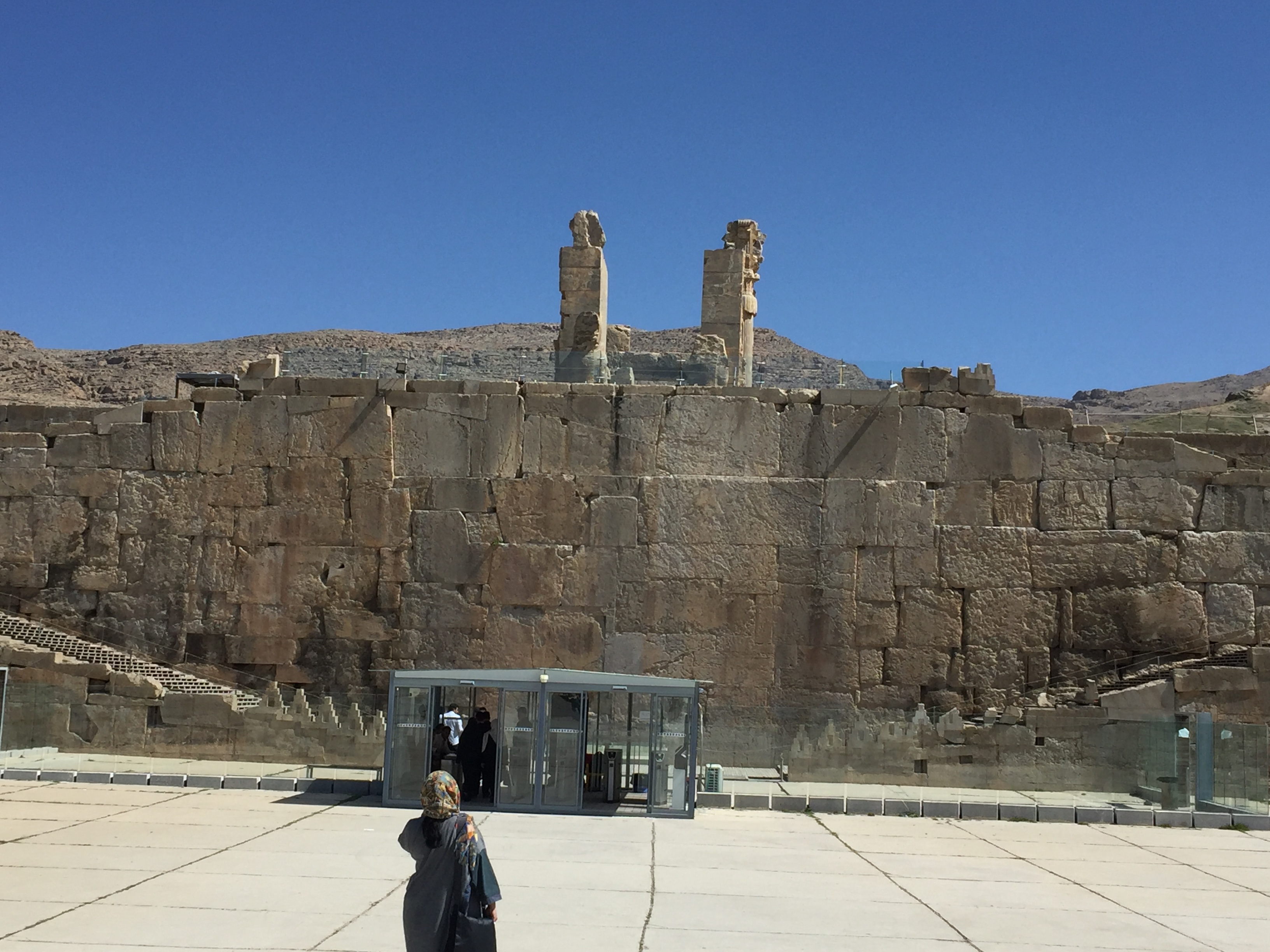
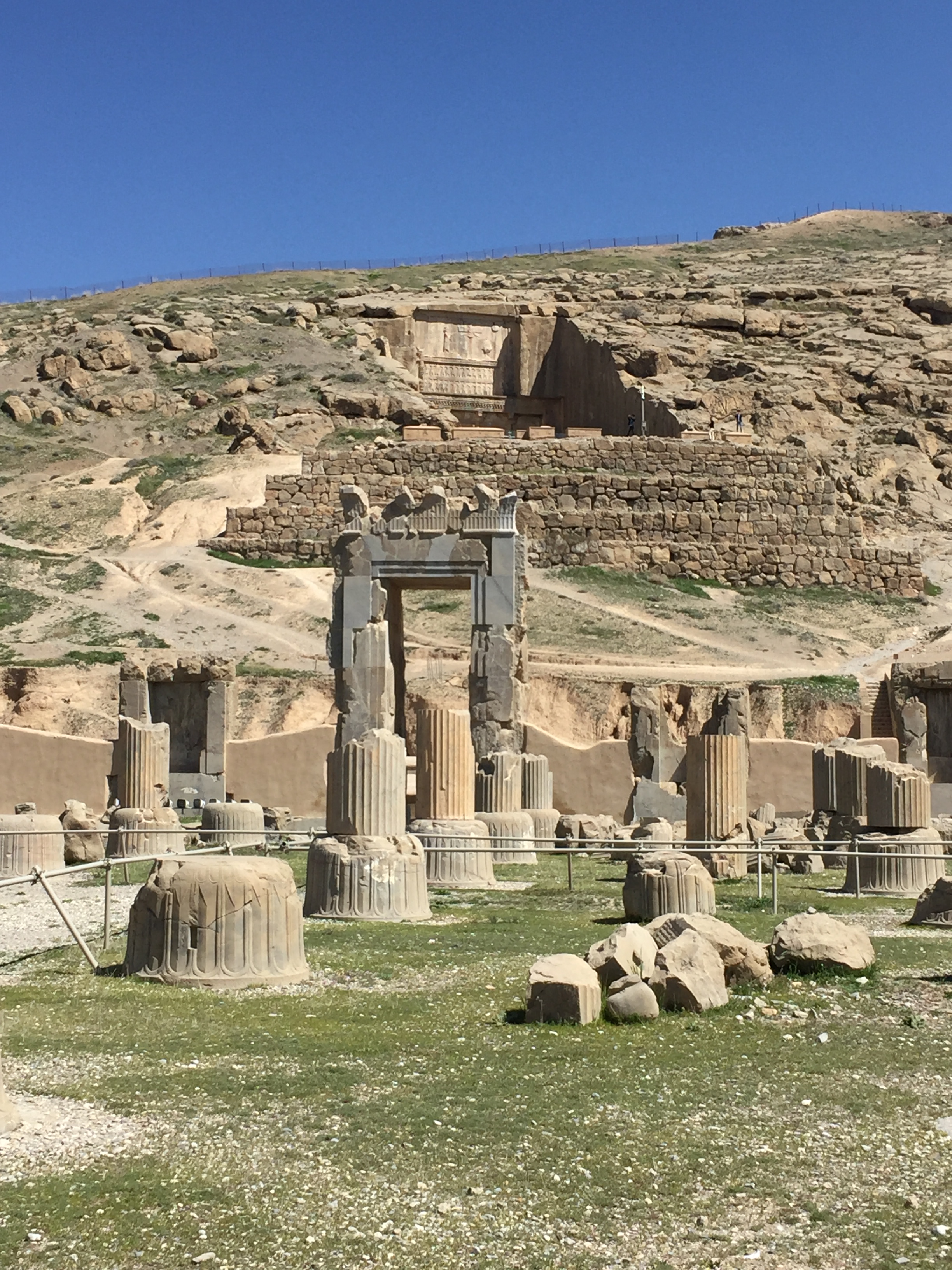
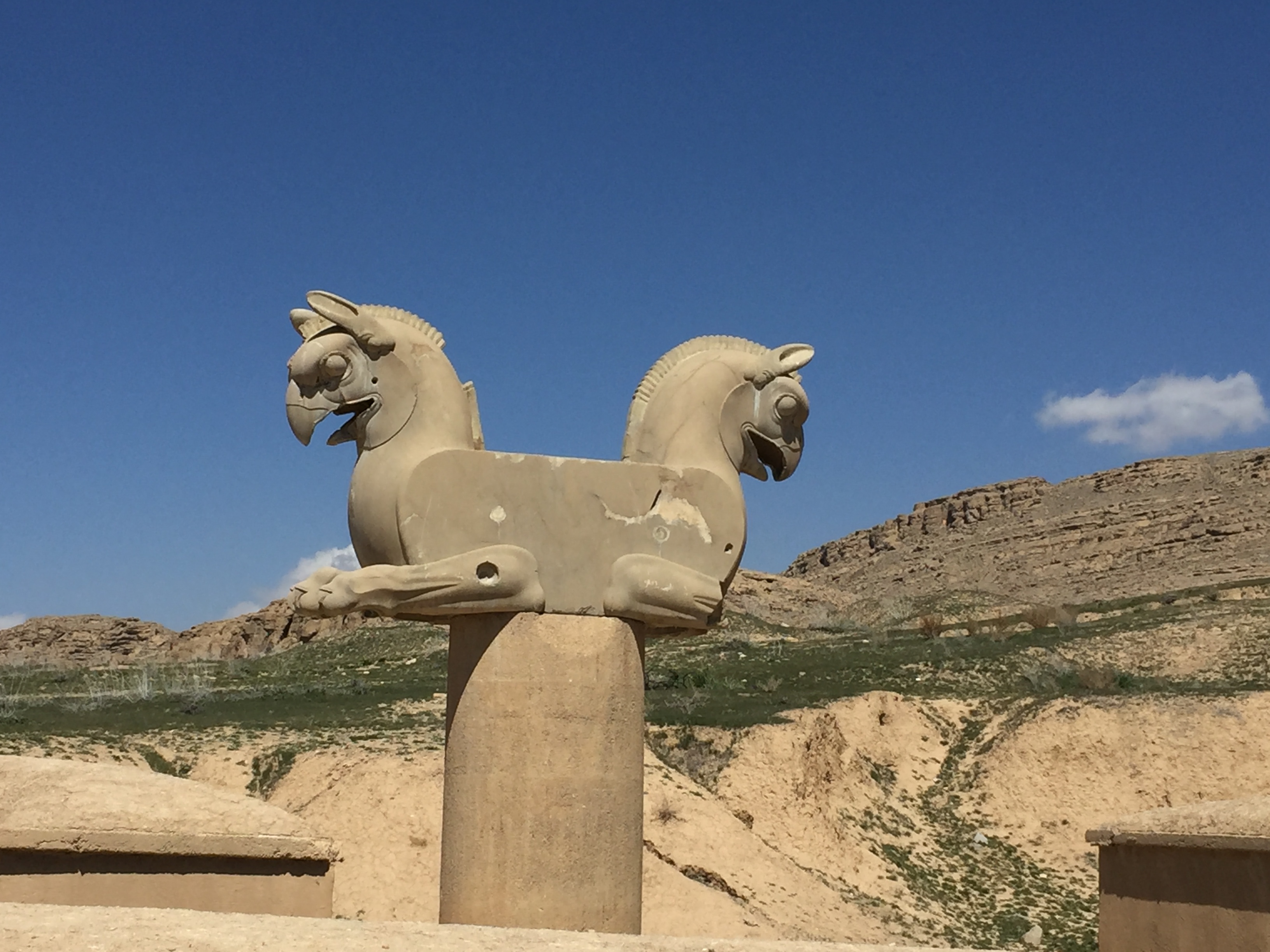
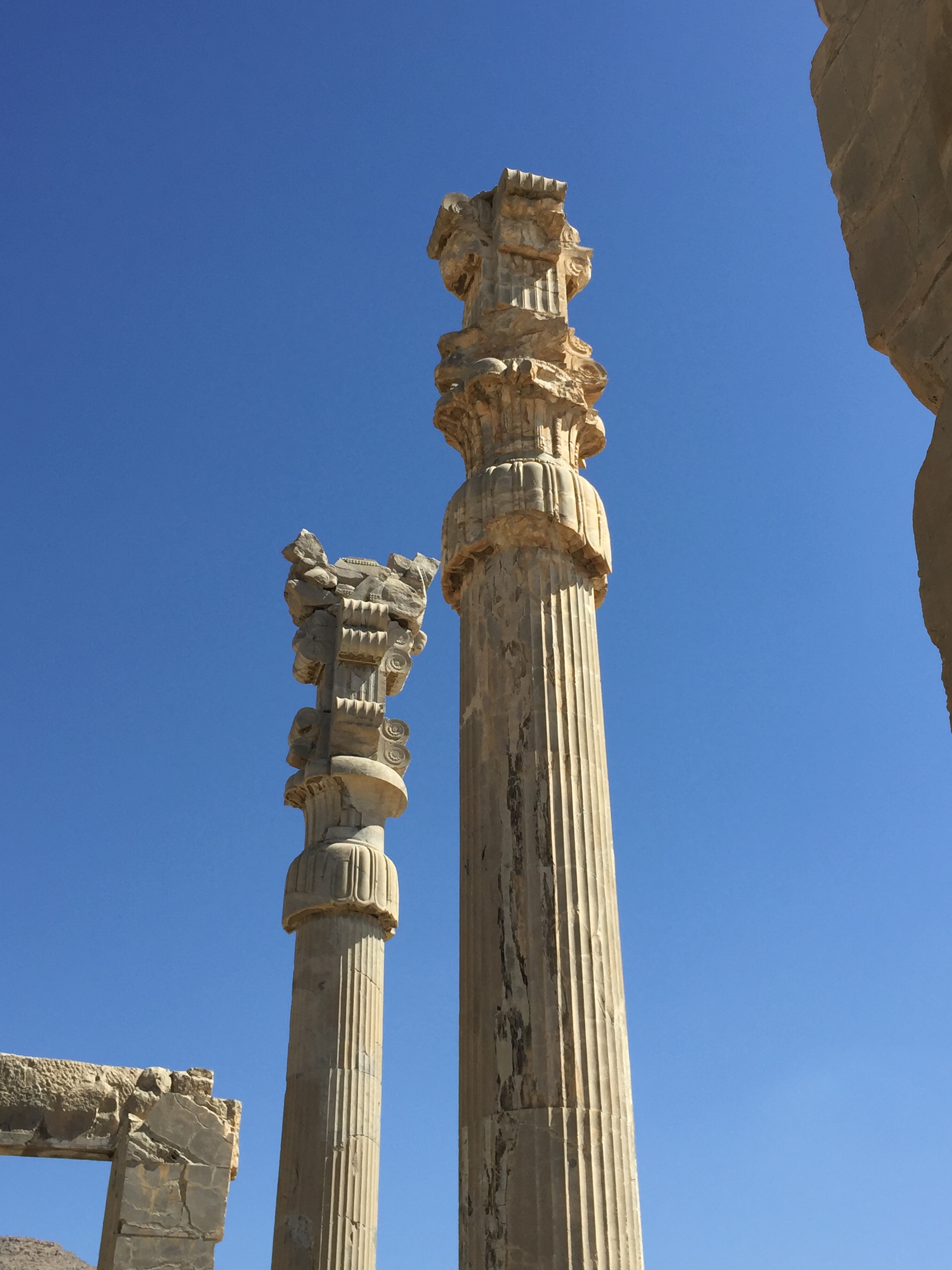
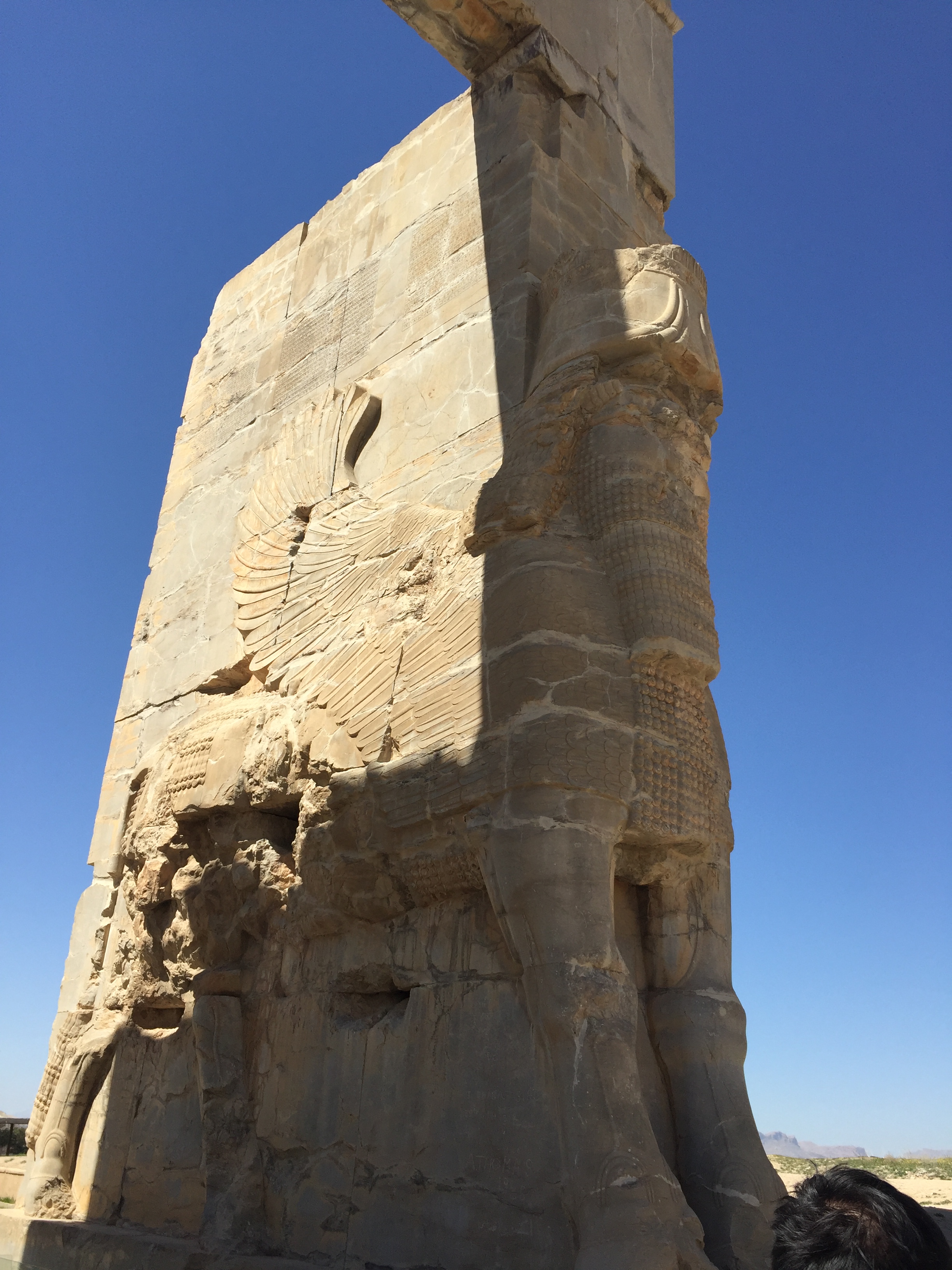
Of course Persepolis, the city of Darius the Great of the Achaemenid empire, built from 520BCE and razed by Alexander in 330BCE, was the highlight of the entire trip. How strange to see that though the site seemed well-maintained and as always, very quiet on the day of our visit, the skeletons of the tents for the celebrations catered by Maximes of Paris for the coronation of the last Shah and the now rusting tiered seating for that infamous party of 1967 still remain.
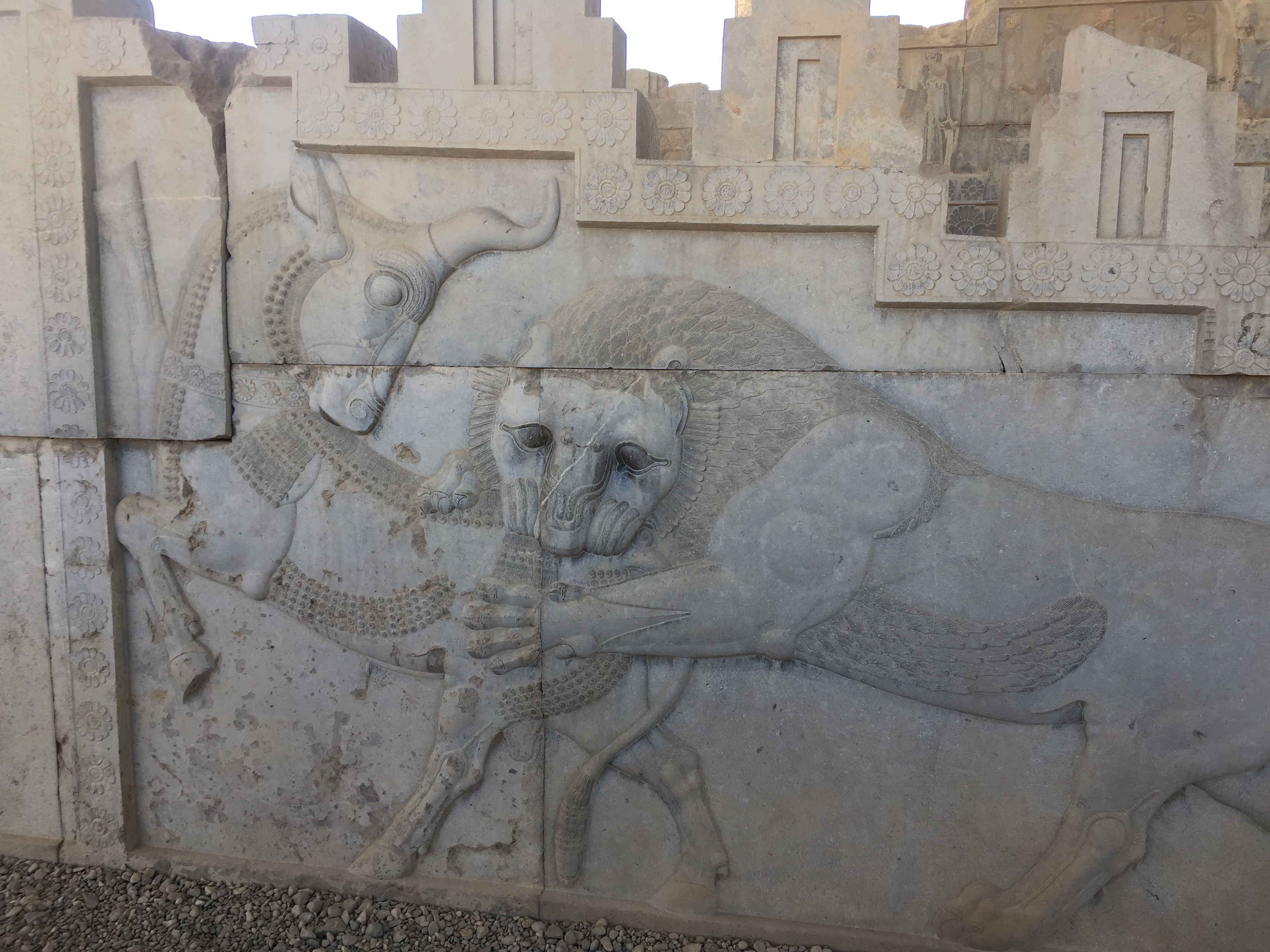
We wandered over the site and through the ruins of different palaces for some hours wondering at its scale and the beautiful monuments that survive. The dominant image of Persepolis is that of a lion attacking an ox. It appears over 30 times and is said to represent winter being overtaken by spring. Because of its gentleness, though depicting a (mortal) combat, the image has an ambiguity and an erotic charge that deepens the mystery of the site.
Some of us climbed to see the two Zoroastrian necropoli that overlook Persepolis depicting high priests, bird man, the sun, moon and fire.
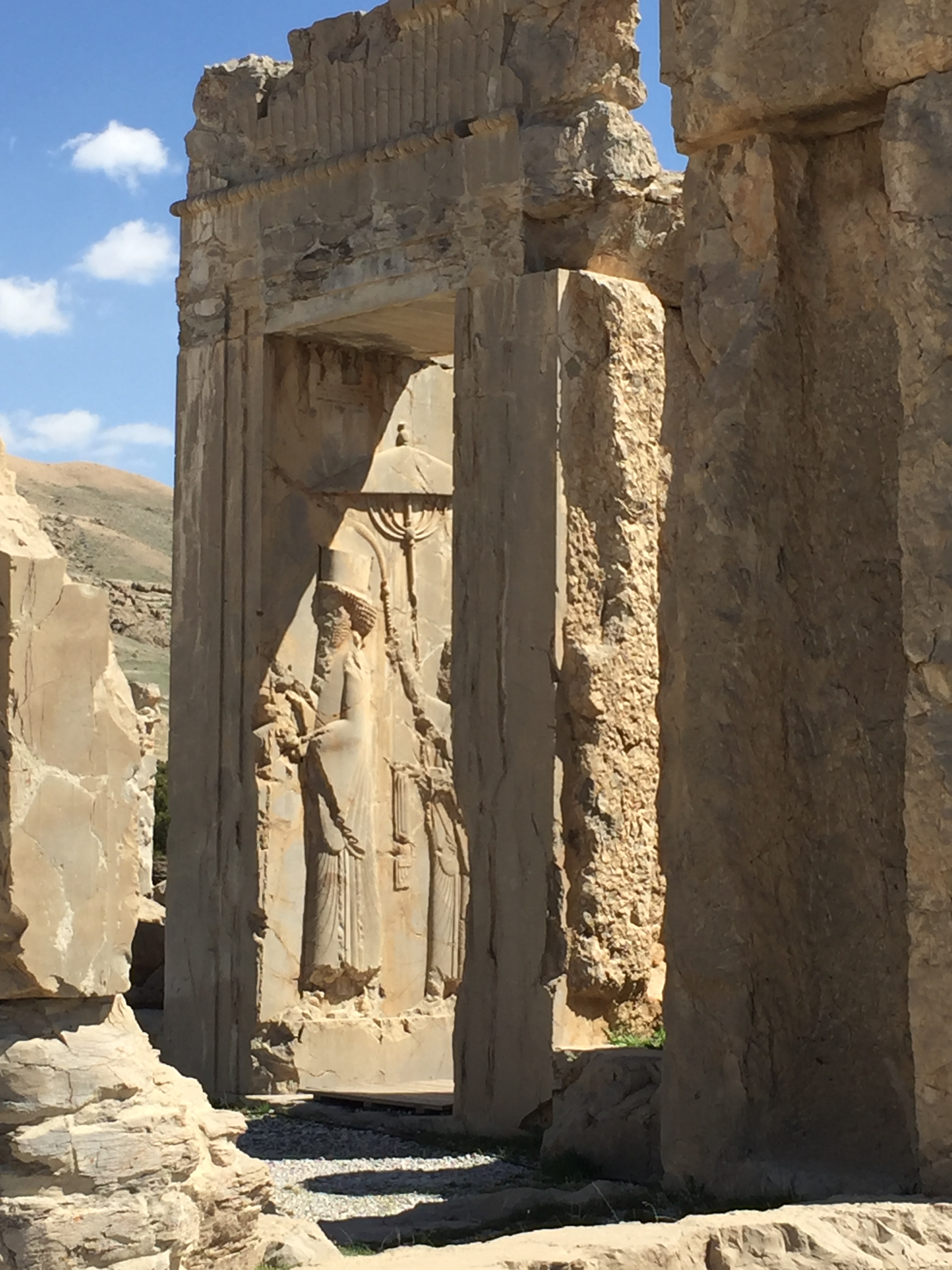
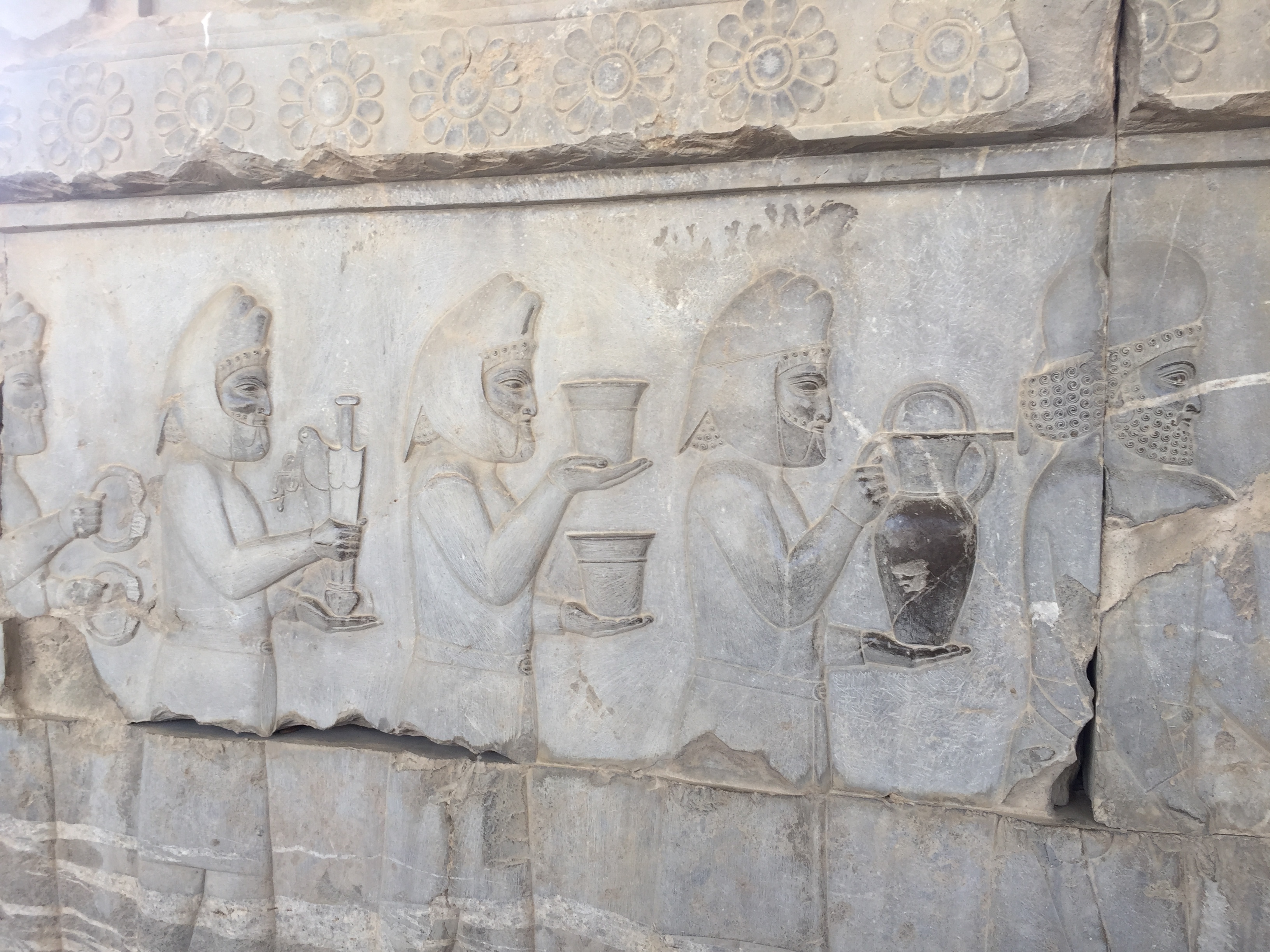
Bringing gifts to the king
 Itinerant in Iran